Beef Tenderloin with Balsamic Glaze
Highlighted under: Cozy Comfort Meals
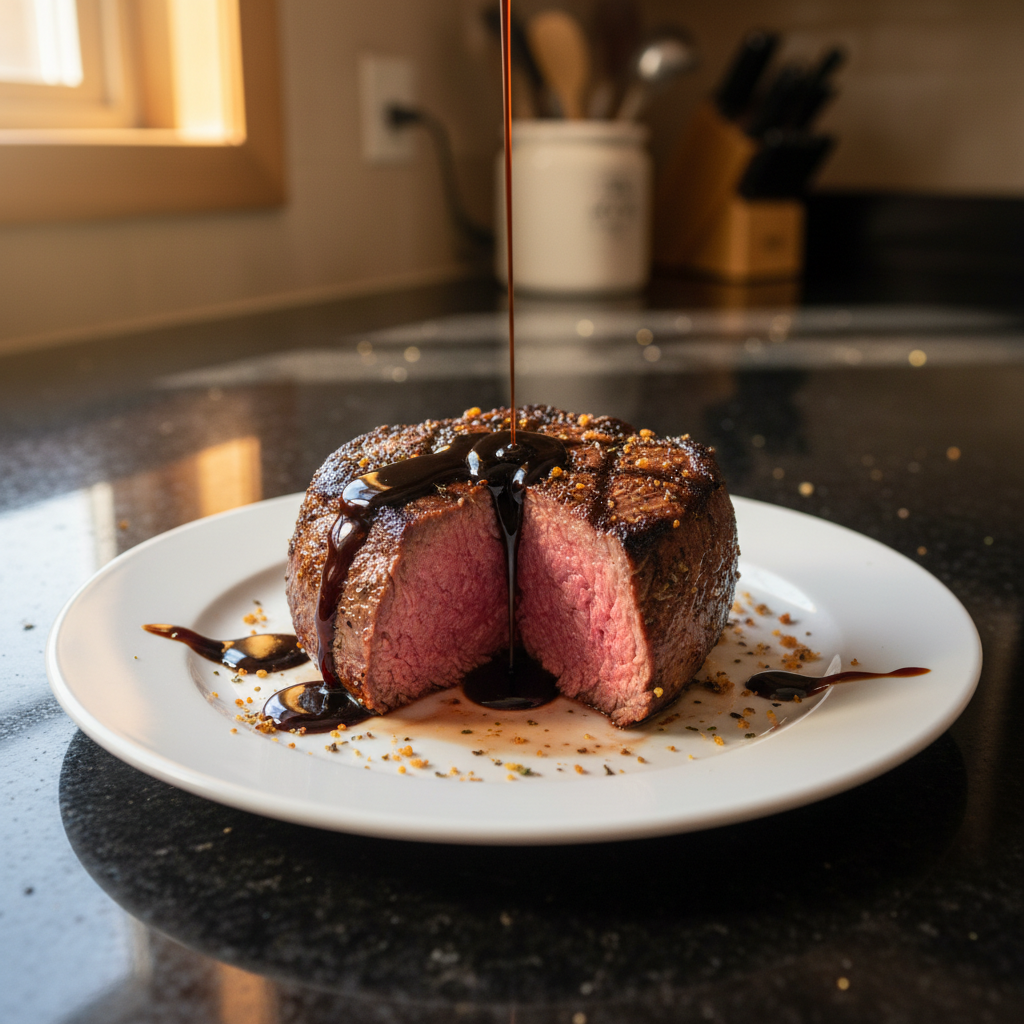
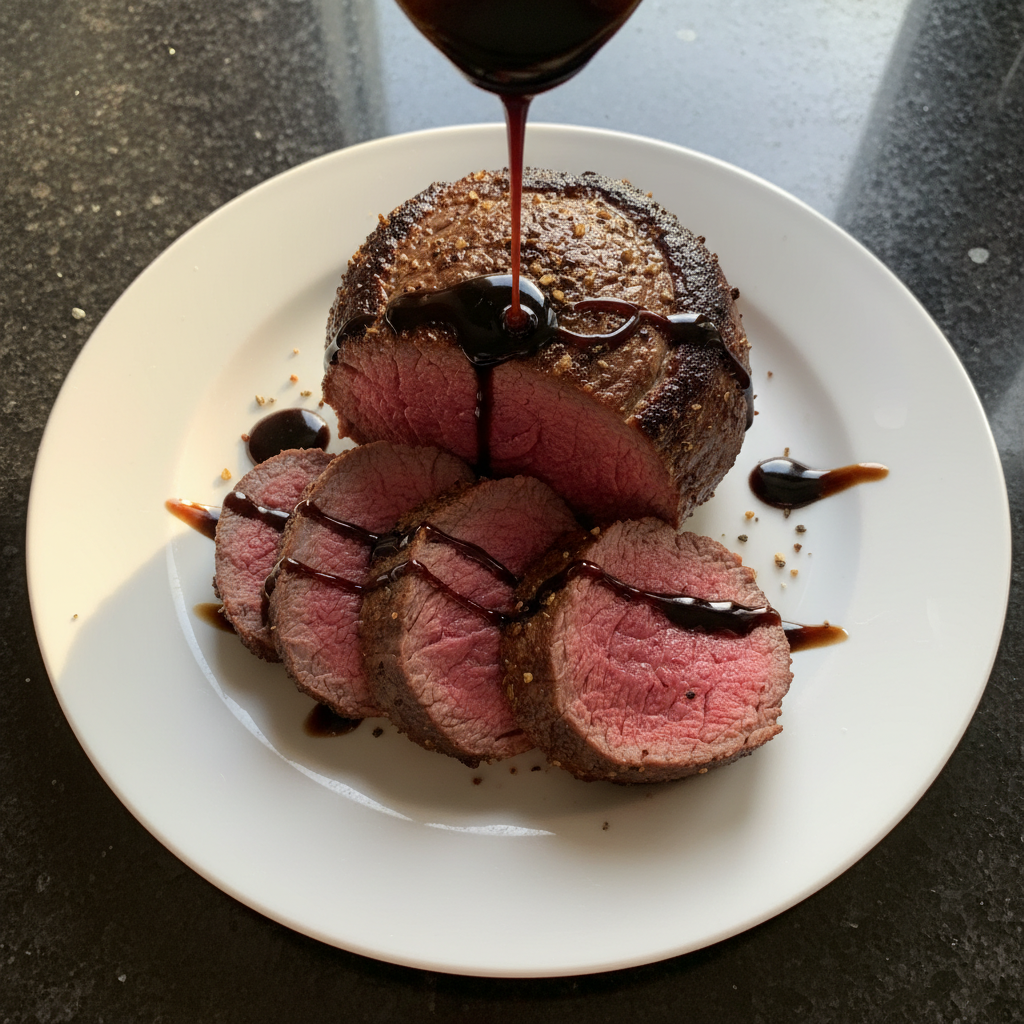
I adore cooking beef tenderloin because of its rich flavor and buttery texture, and pairing it with a sweet and tangy balsamic glaze elevates the dish to a whole new level. When I first tried this combination, I was amazed at how the glaze complemented the natural juices of the meat. It’s a perfect dish for special occasions or a fancy weeknight dinner that will impress anyone at your table. Trust me, once you make this, it will become your go-to recipe for a delicious and elegant meal.
I was excited when I first experimented with this Beef Tenderloin with Balsamic Glaze recipe. I found that marinating the tenderloin for just a short time drew in all the flavors beautifully without overwhelming the meat's natural taste. This made every bite burst with flavor, enhanced by the caramelization of the glaze as it cooked.
During one cooking session, I discovered that using high-quality balsamic vinegar made all the difference. The depth and complexity of a good balsamic can transform this dish into a true culinary experience, making it worth seeking out the best ingredients for an outstanding result.
Why You Will Love This Recipe
- The beef tenderloin is incredibly tender and juicy.
- The balsamic glaze adds a perfect balance of sweetness and acidity.
- It's a show-stopping dish that's surprisingly easy to make.
Mastering the Balsamic Glaze
The balsamic glaze is a crucial element that ties together the flavors of this dish. As it simmers, vinegar reduces its sharpness, allowing the sweetness of honey and the earthiness of rosemary to shine. I recommend keeping an eye on the glaze while it thickens; it should reach a consistency that coats the back of a spoon. If it becomes too thick, you can thin it out with a splash of water or more balsamic vinegar to achieve the desired texture.
Using high-quality balsamic vinegar makes a noticeable difference in flavor. Aged varieties tend to be sweeter and more nuanced, which enhances the overall taste of the glaze. If you're looking for a substitute, try using a mixture of red wine vinegar and a touch of sugar, though it won't have the same richness. The key is to let it simmer patiently—rushing it can lead to a burnt or overly bitter flavor.
Consider making extra glaze to drizzle over your sides, like roasted vegetables or mashed potatoes, enhancing the entire meal's flavor profile. It can also be refrigerated for up to a week, making it a convenient component to have on hand for future meals.
Cooking the Perfect Tenderloin
The beef tenderloin is known for its unbeatable tenderness, but achieving the perfect cook requires attention. I recommend using a meat thermometer to monitor its internal temperature. For medium-rare, aim for about 130-135°F (54-57°C). Remember that the meat will continue cooking while it rests, so it’s wise to pull it from the oven a few degrees shy of your target temperature.
Searing the beef not only develops a beautiful crust but also locks in those flavorful juices. Make sure your skillet is adequately heated before adding the tenderloin; oil should shimmer but not smoke. If the pan isn't hot enough, you'll miss out on that delicious caramelization, and the meat may steam instead of brown correctly.
Don't skip the resting step after baking. It's essential to let the meat sit, allowing the juices to redistribute—a process that results in a juicier, more flavorful slice. If you're in a hurry, let it rest for at least 10 minutes; however, optimal results come with a 15 to 20-minute rest.
Ingredients
For the Beef Tenderloin
- 2 lbs beef tenderloin
- Salt and pepper, to taste
- 2 tablespoons olive oil
For the Balsamic Glaze
- 1 cup balsamic vinegar
- 2 tablespoons honey
- 1 teaspoon fresh rosemary, chopped
Instructions
Prepare the Marinade
In a small saucepan over medium heat, combine the balsamic vinegar, honey, and rosemary. Bring to a simmer and allow it to reduce for about 15 minutes until it thickens slightly. Remove from heat and set aside.
Season the Beef
Season the beef tenderloin generously with salt and pepper. Heat olive oil in a large skillet over medium-high heat. Sear the tenderloin on all sides until it develops a nice crust, about 5-7 minutes total.
Bake the Tenderloin
Transfer the seared tenderloin to a baking dish. Brush the balsamic glaze evenly over the meat. Bake in a preheated oven at 400°F (200°C) for about 20-25 minutes or until it reaches your desired level of doneness.
Rest and Slice
Remove from the oven and let the tenderloin rest for at least 10 minutes before slicing. This step ensures that the juices redistribute throughout the meat.
Serve
Slice the beef tenderloin into medallions and drizzle any remaining balsamic glaze over the top before serving.
Pro Tips
- For a more intense flavor, allow the beef to marinate in the balsamic glaze for a few hours before cooking. Additionally, using a meat thermometer can help you achieve the perfect doneness.
Serving Suggestions
Beef tenderloin is impressive enough to stand alone but pairs beautifully with a variety of sides. Consider serving it alongside garlic mashed potatoes or a refreshing arugula salad, which can balance the richness of the meat. You might also add roasted asparagus or sautéed green beans for a splash of color and crunch.
To elevate your presentation, arrange sliced medallions of tenderloin on a large platter and drizzle with any remaining balsamic glaze just before serving. This not only adds a finished touch but gives your guests a hint of the delicious flavor they can expect.
For a sophisticated dining experience, pair the meal with a full-bodied red wine, such as Cabernet Sauvignon or Malbec, which complements the tender meat and enhances the overall flavor profile of the dish.
Storing and Making Ahead
If you have leftovers, store sliced beef tenderloin in an airtight container in the fridge for up to three days. To reheat, place slices in a skillet over low heat with a splash of broth to keep them moist, covering with a lid to trap steam. Avoid microwaving, as it can lead to dry meat.
For meal prep, consider making the balsamic glaze a day ahead. It not only saves time, but the flavors can develop further with a little rest. You can also marinate the beef tenderloin the night before; simply rub it with seasoning and refrigerate. This allows the flavors to penetrate the meat deeply for a more flavorful result.
If you're cooking for a crowd, you can easily scale this recipe. Just ensure your skillet is large enough to sear multiple tenderloins at once, and adjust cooking time based on the total weight. Remember, using multiple thermometers can help you keep track of doneness levels if cooking more than one piece.
Questions About Recipes
→ Can I use another type of vinegar?
Yes, but balsamic vinegar is ideal for its sweetness and depth of flavor. You might choose red wine vinegar for a similar effect but expect a different taste.
→ How do I know when the tenderloin is done?
Using a meat thermometer is the best way. For medium-rare, aim for an internal temperature of 135°F (57°C).
→ Can this dish be made ahead of time?
You can prepare the balsamic glaze ahead and store it in the refrigerator. The beef is best cooked fresh but can be reheated gently.
→ What side dishes pair well with beef tenderloin?
Roasted vegetables, mashed potatoes, or a fresh salad are great side dishes that complement the rich flavors of the beef.
Beef Tenderloin with Balsamic Glaze
Created by: The Pantrytrail Team
Recipe Type: Cozy Comfort Meals
Skill Level: Intermediate
Final Quantity: 4 servings
What You'll Need
For the Beef Tenderloin
- 2 lbs beef tenderloin
- Salt and pepper, to taste
- 2 tablespoons olive oil
For the Balsamic Glaze
- 1 cup balsamic vinegar
- 2 tablespoons honey
- 1 teaspoon fresh rosemary, chopped
How-To Steps
In a small saucepan over medium heat, combine the balsamic vinegar, honey, and rosemary. Bring to a simmer and allow it to reduce for about 15 minutes until it thickens slightly. Remove from heat and set aside.
Season the beef tenderloin generously with salt and pepper. Heat olive oil in a large skillet over medium-high heat. Sear the tenderloin on all sides until it develops a nice crust, about 5-7 minutes total.
Transfer the seared tenderloin to a baking dish. Brush the balsamic glaze evenly over the meat. Bake in a preheated oven at 400°F (200°C) for about 20-25 minutes or until it reaches your desired level of doneness.
Remove from the oven and let the tenderloin rest for at least 10 minutes before slicing. This step ensures that the juices redistribute throughout the meat.
Slice the beef tenderloin into medallions and drizzle any remaining balsamic glaze over the top before serving.
Extra Tips
- For a more intense flavor, allow the beef to marinate in the balsamic glaze for a few hours before cooking. Additionally, using a meat thermometer can help you achieve the perfect doneness.
Nutritional Breakdown (Per Serving)
- Calories: 450 kcal
- Total Fat: 27g
- Saturated Fat: 10g
- Cholesterol: 115mg
- Sodium: 80mg
- Total Carbohydrates: 10g
- Dietary Fiber: 0g
- Sugars: 8g
- Protein: 48g